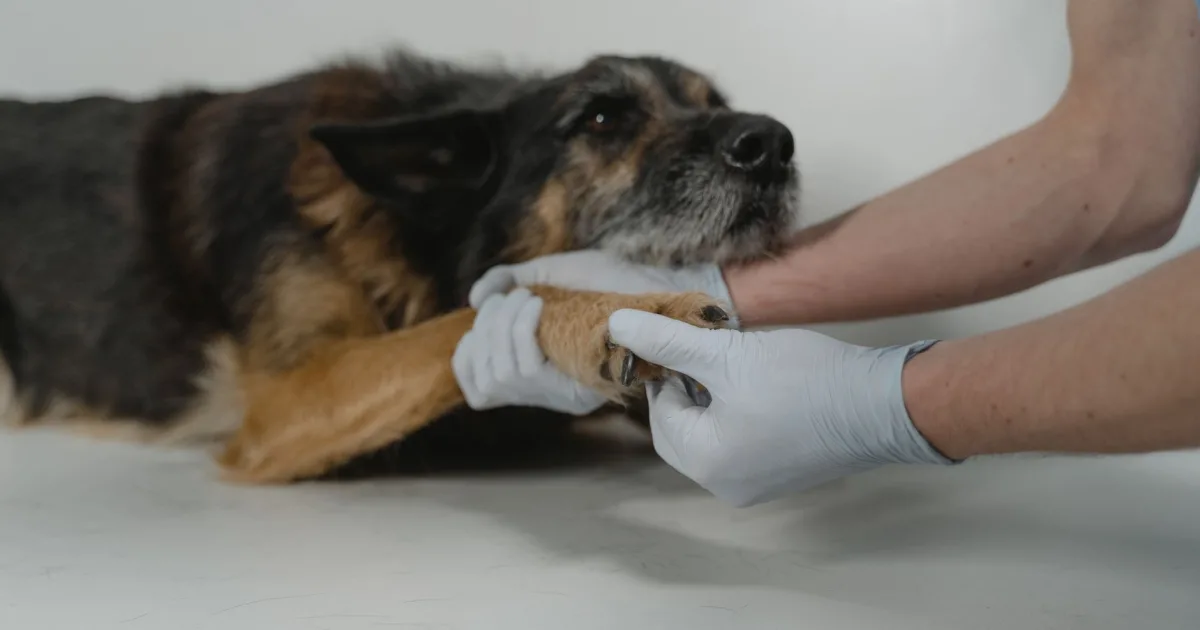
Understanding the Unexpected: Kira's Winter Dilemma
The Minnesotan winters are known for their biting cold and heavy snowfall — a setting that, for Sue and her family, seemed to transform their backyard into a stunning winter wonderland each year. But for Kira, their beloved Rottweiler, it was a different story altogether, bringing unexpected challenges instead.
A Small Oversight with Big Consequences
Sue vividly remembers the first time she noticed Kira limping slightly after their usual snowy romp. She shrugged it off, much like how you might overlook a misplaced book. "It’s just the ice," Sue told herself as she watched Kira chase snowflakes. However, during a routine vet visit that winter, their vet delivered some surprising news — Kira had gained nearly twenty pounds over the season. The extra weight explained her joint discomfort. "We didn’t even see it happening," Sue recalls, a tinge of regret in her voice. (Isn't it funny how life sneaks up on you?)
The Interview: Expert Advice on Weight Tracking
We sat down with Dr. Elena Foster, a veterinarian with over a decade of experience, to discuss Sue and Kira's story and the importance of weight management in winter for dogs. "Rottweilers, like Kira, are prone to weight gain, especially in colder months when activity levels drop," Dr. Foster explains. I remember when my old Labrador, Duke, would sleep the winter away, only to emerge chunkier come spring. Whoops!
Finding the Signs Before It’s Too Late
Q: What makes weight tracking crucial during winter months?
A: "In winter, dogs tend to exercise less, just like people. The decreased activity, coupled with being fed the usual amounts, can lead to unnoticed weight gain. A tool like PawHealthPro's Weight Tracking counters this by logging your dog's weight over time, spotting patterns that can prevent joint issues or other weight-related health problems."
Q: How might Kira’s situation have been avoided with better monitoring?
A: "Had Sue used weight tracking tools, they might have noticed Kira’s gradual weight gain early on. It's always better to catch these things before they develop into painful conditions for the pet." After all, prevention is better than cure, right?
Consequences of Ignoring Little Changes
Dr. Foster points out that weight gain is not only about overeating. "It can also be a sign of underlying health issues, like thyroid problems or reduced activity due to hidden pain." She advises owners to be vigilant, especially during the seasonal changes when routines shift.
In Kira’s case, the extra pounds pressured her joints, leading to arthritis symptoms. It was a painful reminder of how easily a small oversight can escalate into a bigger problem.
Lessons from Kira's Story
Sue admits, "If I’d just been more aware, maybe we could have saved Kira some pain." For many pet owners, Kira’s story serves as a poignant lesson about the importance of proactive care.
Dr. Foster's advice is simple yet effective: "Regular weight checks and using resources like PawHealthPro can make all the difference. It's not just about numbers; it's about your dog’s wellbeing."